
Facial Plastic Surgery in Chichester: Blepharoplasty & The Apex Facelift® at The Oving Medical Clinic
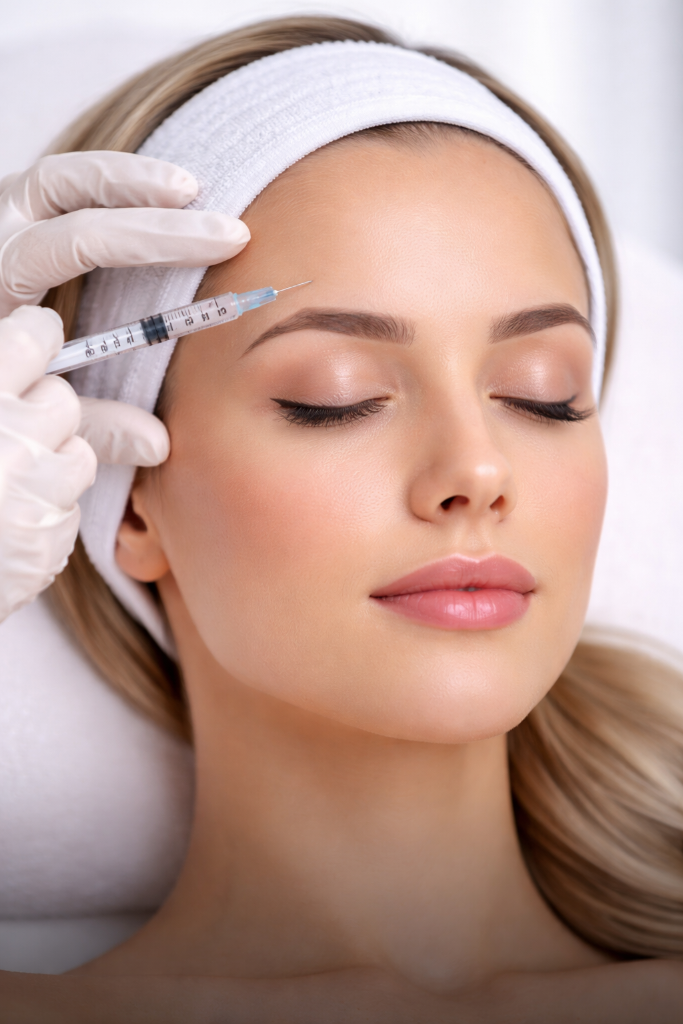
The Oving Medical Clinic is expanding its facial aesthetics service with facial plastic surgery led by Mr Darryl Coombes. Learn about upper eyelid blepharoplasty, The Apex Facelift®, lip lift, brow lift and otoplasty — and how surgical and non-surgical approaches work together.
The Oving Medical Clinic is expanding its facial aesthetics service with the introduction of facial plastic surgery in Chichester, led by Mr Darryl Coombes, an Oral & Maxillofacial Surgeon whose aesthetic practice focuses extensively on surgery of the face, eyelids and neck. Working alongside Dr Etienne J-L Raffner, Specialist Grade Maxillofacial & Oral Surgeon and Clinic Director at The Oving Medical Clinic, the new service gives patients access to both surgical and non-surgical approaches to facial ageing within one clinician-led setting. Two of the treatments at the heart of the service are upper eyelid blepharoplasty and The Apex Facelift®, a lower-face rejuvenation procedure developed by Mr Coombes and usually performed under local anaesthetic. Other facial procedures available include lip lift, brow lift and otoplasty (ear correction surgery). For patients considering facial surgery in Chichester or West Sussex, the aim is not simply to offer a procedure. It is first to understand what is causing the concern, assess the patient's facial anatomy and then decide whether surgery, a non-surgical treatment, or sometimes no treatment at all is the most appropriate option. Blepharoplasty in Chichester: What Is Eyelid Surgery? One of the commonest reasons people consider facial surgery is a change in the appearance of their eyes. With time, the skin of the upper eyelids can become looser and begin to fold over the natural eyelid crease. Some people have naturally heavier upper eyelids from a younger age. Others notice puffiness or prominent bags developing beneath the lower eyelids. Blepharoplasty, commonly referred to as eyelid surgery or an eyelid lift, is designed to address these anatomical changes. Depending on the individual, surgery may involve the upper eyelids, lower eyelids, or both. Upper Eyelid Blepharoplasty Upper eyelid blepharoplasty removes carefully planned excess skin from the upper eyelid and, when appropriate, addresses underlying muscle or prominent fat. The aim is to restore a clearer upper-eyelid contour while maintaining a natural appearance and preserving the individual character of the eyes. Typical concerns include: - Heavy or hooded upper eyelids - Excess upper-eyelid skin - Loss of the natural eyelid crease - Asymmetry between the eyelids - An appearance of tiredness caused by upper-eyelid hooding In some patients, particularly where there is significant hooding, excess upper-eyelid skin can also interfere with the upper visual field. Functional eyelid problems require careful assessment to distinguish them from purely cosmetic concerns. What Happens During Upper Eyelid Surgery? Upper blepharoplasty is commonly performed under local anaesthetic. A carefully measured amount of skin is removed through an incision positioned within the natural upper-eyelid crease. Where appropriate, underlying tissue or fat may also be addressed. Because the incision follows the natural eyelid crease, the resulting scar is usually well concealed once healing has progressed, although all surgery produces a scar and scar maturation varies from person to person. The procedure itself is often relatively short, but patients should allow adequate time afterwards for swelling, bruising and healing. Sutures are normally removed during an early postoperative review. Although improvement can often be appreciated within the first few weeks, the eyelids continue to settle and scars continue to mature over several months. The Apex Facelift® in Chichester For patients whose main concern is no longer skin quality but jowling, loss of jawline definition or laxity of the lower face, non-surgical treatments have limitations. This is where facelift surgery can have a role. The Apex Facelift® is a facial rejuvenation technique developed by Mr Darryl Coombes that focuses particularly on the lower face and jawline. Unlike a traditional facelift performed under general anaesthetic, the Apex Facelift is generally performed under local anaesthetic in appropriately selected patients. What Can an Apex Facelift Address? Patients considering an Apex Facelift commonly describe concerns such as: - Development of jowls - Reduced definition along the jawline - Sagging of the lower face - Early to moderate lower-face laxity - Feeling that non-surgical tightening treatments are no longer producing sufficient improvement The objective is not to change someone's identity or produce an obviously "operated" appearance. Instead, surgery is planned around the patient's existing anatomy, repositioning and supporting the tissues of the lower face to create a more defined and rested appearance. What Happens During an Apex Facelift? Incisions are carefully positioned around the natural contours of the ear and adjacent hairline. Through these incisions, Mr Coombes can reposition and support the tissues responsible for jowling and lower-face laxity before carefully closing the skin. The operation typically takes approximately 90–120 minutes, although this varies according to the patient's anatomy and the extent of surgery required. Because the procedure is generally performed using local anaesthesia, patients can avoid a general anaesthetic where this is clinically appropriate. However, it is important not to confuse this with a non-surgical treatment. The Apex Facelift is still an operation, with a period of swelling, bruising, wound healing and recovery. Exact downtime varies between individuals and will be discussed during consultation. Can Blepharoplasty and an Apex Facelift Be Combined? For the right patient, they can form part of the same overall rejuvenation strategy. This is particularly relevant when someone has a combination of upper-eyelid hooding or under-eye ageing together with jowling or loss of lower-face definition. Treating only one area may not always address the patient's overall concern. That does not necessarily mean that several operations should be performed at once. The benefit of a full facial assessment is that treatment can be prioritised and, where appropriate, staged. Lip Lift Another area in which Mr Coombes has particular experience is surgical lip lift. As the face changes with age, the distance between the base of the nose and the upper lip can become longer. This can reduce the amount of visible upper lip and change the proportion between the nose, lips and lower face. A lip lift differs fundamentally from lip filler. Rather than adding volume, a surgical lip lift shortens the skin of the upper lip by removing a carefully planned segment of skin immediately beneath the nose. The scar is positioned within the natural junction between the nose and upper lip. For carefully selected patients, this can increase upper-lip show and alter the proportion of the central face without repeatedly adding volume with injectable treatments. As with all facial surgery, suitability depends on anatomy, dental show, lip proportions, skin type and the patient's goals. Brow Lift Drooping of the brow can contribute to heaviness around the upper eyelids and forehead. In some patients requesting upper-eyelid surgery, part of the apparent "excess eyelid skin" is actually related to descent of the eyebrow. That is one reason why an assessment should consider the whole upper third of the face rather than simply the eyelid in isolation. A brow lift repositions the brow and forehead tissues. Different surgical techniques are available, and the appropriate approach depends on hairline, forehead anatomy, brow position and the degree of correction required. For some patients, blepharoplasty alone is appropriate. For others, addressing the brow may produce a more anatomically appropriate result. Otoplasty – Ear Pinning and Ear Reshaping Mr Coombes also performs otoplasty, sometimes referred to as ear pinning or prominent-ear correction. Prominent ears usually result from the shape, folding or projection of the underlying ear cartilage. Otoplasty reshapes and repositions that cartilage to alter the relationship between the ears and the head. Incisions are generally positioned behind the ear so that scars are relatively discreet after healing. The surgery can often be performed as a day-case procedure, with a postoperative headband used during the early healing period. Surgical Versus Non-Surgical Facial Rejuvenation One of the benefits of providing facial surgery alongside an established medical aesthetics and laser service is that not every ageing concern has to be treated surgically. At TOMC, treatments such as BBL HEROic™ and MOXI®, alongside other non-surgical aesthetic treatments, can address concerns involving pigmentation, redness, sun damage, texture and aspects of skin quality. Surgery addresses a different problem. Laser treatments can improve the surface and quality of the skin, but they cannot remove significant excess upper-eyelid skin or surgically reposition tissues responsible for established jowling. Likewise, surgery can reposition facial tissues but does not necessarily correct pigmentation, vascular change or sun-damaged skin. For some patients, therefore, the most appropriate plan may ultimately combine the two approaches: structural correction with surgery and skin-quality treatment with laser or other non-surgical treatments. For others, one approach alone will be sufficient. The decision should be based on anatomy rather than on trying to fit the patient to a particular treatment. Meet Mr Darryl Coombes Mr Darryl Coombes is a Consultant Oral & Maxillofacial Surgeon with an extensive practice in facial plastic, reconstructive and aesthetic surgery. His facial aesthetic work includes: The Apex Facelift®, upper and lower blepharoplasty, lip lift, brow surgery, otoplasty and other facial plastic and reconstructive procedures. He developed the Apex Facelift® as an approach to lower-face rejuvenation that can be undertaken under local anaesthetic in appropriately selected patients. His background in maxillofacial and reconstructive surgery provides detailed experience of facial anatomy, tissue handling and facial proportions all central to planning facial aesthetic surgery. Dr Etienne J-L Raffner and the TOMC Facial Aesthetics Service Dr Etienne J-L Raffner is a dual-qualified Specialist Grade Maxillofacial & Oral Surgeon. At The Oving Medical Clinic, he leads the clinic's medical surgical and non-surgical aesthetics, surgical dermatology and advanced laser services. The collaboration between Dr Raffner and Mr Coombes allows patients presenting with facial ageing concerns to consider the broader range of options available, from skin treatments and non-surgical facial aesthetics through to facial surgery where appropriate. Importantly, consultation does not automatically result in treatment. The purpose of assessment is to establish the patient's concerns, examine their anatomy, discuss realistic outcomes and limitations, and explain the alternatives before any decision about surgery is made. Considering Blepharoplasty or Facelift Surgery in Chichester? If you are researching blepharoplasty in Chichester and West Sussex, considering treatment for heavy upper eyelids or under-eye bags, or would like to know whether an Apex Facelift® could address jowling or loss of jawline definition, the first step is a consultation. During your consultation at The Oving Medical Clinic near Chichester, your medical history, facial anatomy, concerns and expectations will be assessed before the available options are discussed. There is no obligation to proceed with surgery. Where another surgical technique, a non-surgical treatment or no treatment is more appropriate, this can be discussed as part of the same assessment. Book a Facial Surgery Consultation at TOMC To arrange a consultation regarding upper or lower blepharoplasty, the Apex Facelift®, lip lift, brow lift or otoplasty, contact The Oving Medical Clinic. Frequently Asked Questions About Facial Surgery Who performs blepharoplasty and facelift surgery at TOMC? Facial aesthetic surgery at TOMC is performed by Mr Darryl Coombes, an Oral & Maxillofacial Surgeon whose practice includes facial plastic, reconstructive and aesthetic surgery. He works as a team together with Dr EJ Raffner, clinic director. Can upper blepharoplasty be performed under local anaesthetic? Upper-eyelid blepharoplasty can commonly be performed under local anaesthetic. The appropriate type of anaesthesia depends on the procedure, the individual patient and their medical history. What is the difference between blepharoplasty and a brow lift? Blepharoplasty addresses tissues of the eyelid itself, whereas a brow lift repositions a descended eyebrow and forehead tissues. Because brow descent can contribute to apparent upper-eyelid hooding, both areas should be assessed before deciding which procedure is appropriate. What is the difference between an Apex Facelift and a traditional facelift? The Apex Facelift® is Mr Coombes' approach to lower-face rejuvenation and is generally performed under local anaesthetic in selected patients. Traditional facelift operations encompass a range of techniques and may involve more extensive surgery and general anaesthesia. Which technique is appropriate depends on the degree and distribution of facial ageing and the patient's individual circumstances. Can blepharoplasty and facelift surgery be performed together? They can be combined in selected patients, although this is not appropriate for everyone. Mr Coombes will advise whether combined or staged treatment is more suitable following assessment. How long does blepharoplasty recovery take? Bruising and swelling are expected following eyelid surgery and are usually most noticeable during the early postoperative period. Many patients plan approximately one to two weeks away from important social or professional commitments, although individual recovery varies. Healing and scar maturation continue for considerably longer. How long does an Apex Facelift last? Facelift surgery repositions tissues, but it does not stop the normal ageing process. Longevity varies according to anatomy, skin quality, lifestyle and the surgical procedure undertaken. Expected outcomes and limitations are discussed individually during consultation. Will I have visible scars after facial surgery? All surgery produces scars. Facial plastic surgery aims to position incisions within natural creases, contours or hair-bearing areas where possible. Scars normally change considerably as they mature, but their final appearance varies between individuals. What are the risks of blepharoplasty or facelift surgery? All surgery carries risks. These can include bleeding, infection, scarring, asymmetry, altered sensation and the possibility of further treatment. Eyelid surgery and facelift surgery also have procedure-specific risks. These will be discussed in detail as part of the consent process before a patient decides whether to proceed. Do I need a facelift, or could laser treatment be enough? It depends on what is causing the concern. BBL HEROic™, MOXI® and other skin treatments can improve aspects of pigmentation, redness, texture and skin quality but cannot surgically reposition significant tissue laxity or remove substantial excess eyelid skin. Conversely, surgery does not replace treatment for sun damage, pigmentation or other aspects of skin quality. A facial assessment can help determine whether surgical treatment, non-surgical treatment, a combination of the two, or no treatment is the most appropriate option.
Related Services
Book an Appointment
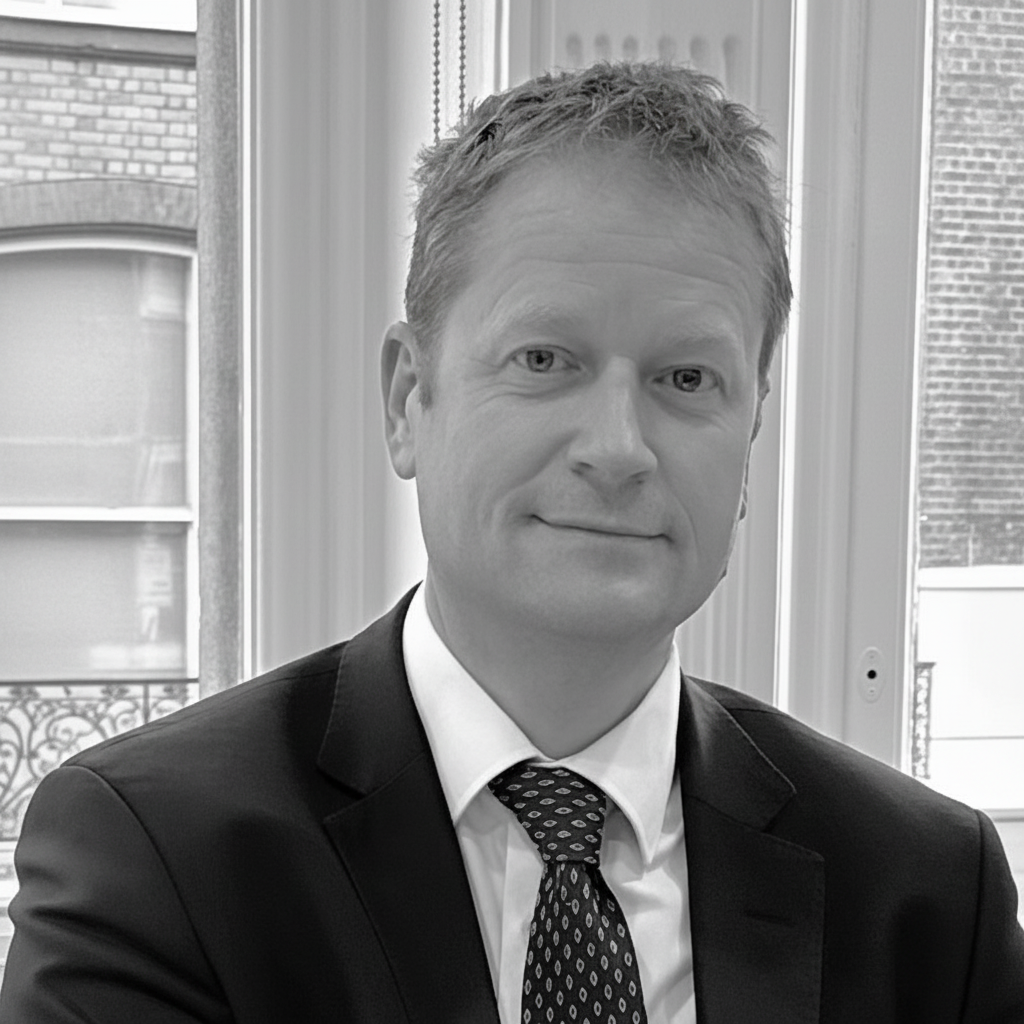
Mr Darryl Coombes
Facial Plastic Surgeon specialising in Surgical Aesthetics
FRCS(OMFS) FDSRCS(Eng) LLM
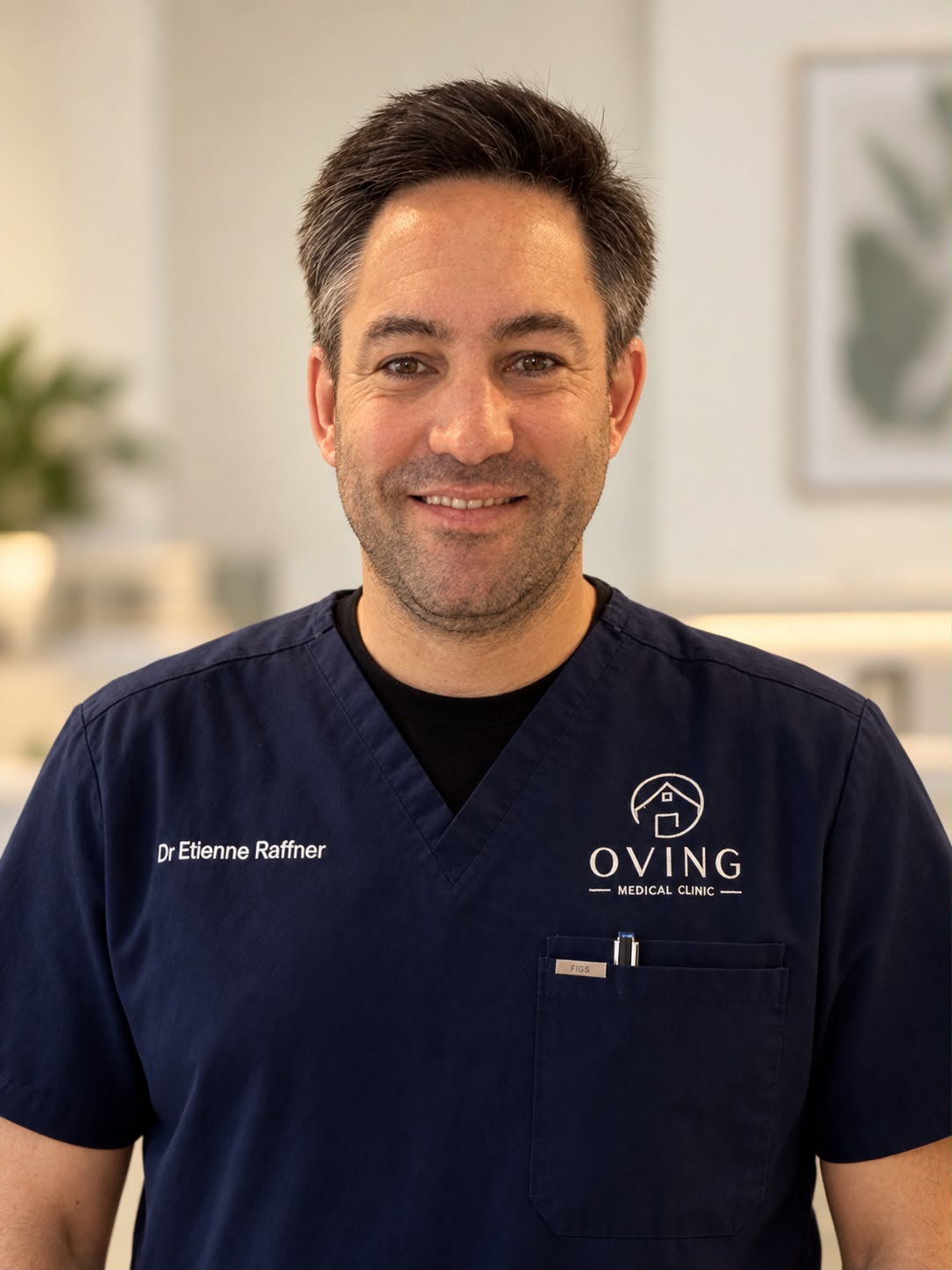
Dr Etienne Raffner
Clinic Director | Specialist Grade Maxillofacial & Oral Surgeon
BDS (Wits), MBBCh (Wits), Primaries FCS OMFS (CMSA)
Ready to Take the First Step?
Whether you're seeking routine care or specialised medical attention, we're here to help. Book your appointment today.