
Knee Pain: Understanding the Cause and Finding the Right Treatment
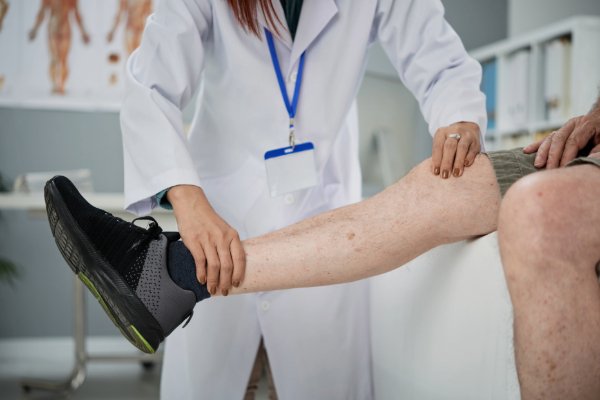
Knee pain is extremely common and can affect people of all ages. Learn about the causes — from osteoarthritis to meniscal damage — and the expert assessment, physiotherapy and ultrasound-guided injection treatments available at The Oving Medical Clinic.
Knee pain is extremely common and can affect people of all ages. It may develop gradually over several months or appear suddenly following sport, exercise or an awkward movement. For some people, knee pain is a temporary irritation that settles with simple treatment. For others, it can interfere significantly with walking, exercise, sleep and everyday activities. The important first step is to understand what is causing the pain. At The Oving Medical Clinic, we offer expert assessment, diagnostic ultrasound where appropriate, physiotherapy and a range of ultrasound-guided injection treatments—all within one clinic. We also have the ability to refer you for more detailed diagnostics, such as MRI, or a referral to an Orthopaedic surgeon if necessary. What causes knee pain? There are many possible causes, but two of the most common are osteoarthritis and meniscal problems. Knee osteoarthritis Osteoarthritis is a condition involving the whole joint. It can affect the cartilage, underlying bone, joint lining, ligaments and surrounding muscles. It is sometimes described simply as "wear and tear", but this does not tell the whole story. Age, genetics, previous injury, body weight, muscle strength, joint alignment and the demands placed on the knee can all contribute. Typical symptoms include: - Pain when walking, climbing stairs or standing from a chair - Stiffness after sitting or first thing in the morning - Swelling or a feeling of fullness within the knee - Clicking, grinding or crunching - Reduced movement - Difficulty exercising or walking longer distances - Intermittent flare-ups The amount of arthritis seen on an X-ray does not always match the severity of someone's symptoms. Treatment should therefore be based on the individual—not simply on a scan result. Meniscal damage The menisci are two strong, shock-absorbing structures within the knee. A meniscal tear can occur following a twisting injury, particularly during sport. However, meniscal tissue can also become less resilient with age, meaning that tears may develop gradually or after relatively minor movements. Symptoms may include: - Pain along the inner or outer joint line - Swelling after activity - Pain when twisting, squatting or kneeling - Clicking or catching - A feeling that the knee may give way Meniscal changes are commonly found on MRI scans, including in people without knee pain. A scan finding must therefore be interpreted alongside the history and clinical examination. Many meniscal problems can be treated without an operation. However, a genuinely locked knee, a significant acute injury or persistent mechanical symptoms may require further investigation and an orthopaedic opinion. Other causes of knee pain Not every painful knee is caused by arthritis or a meniscal tear. Other possibilities include: - Patellar or quadriceps tendinopathy - Patellofemoral pain - Ligament injuries - Bursitis - Iliotibial band irritation - Gout or another inflammatory arthritis - Pain referred from the hip or lower back - Less commonly, infection or another serious underlying condition This is why obtaining the correct diagnosis before starting treatment is so important. Expert assessment at The Oving Medical Clinic Your appointment begins with a detailed discussion about your symptoms, activities, previous injuries, general health and what you would like to achieve. We then examine the knee and assess factors such as: - Range of movement - Areas of tenderness - Swelling or fluid within the joint - Ligament stability - Meniscal signs - Muscle strength and control - Walking and lower-limb mechanics Where appropriate, we can also use point-of-care diagnostic ultrasound during your assessment. Ultrasound can provide useful additional information about joint swelling, inflammation, tendons, bursae, cysts and other structures around the knee. It can also help us determine whether an injection is appropriate and allows treatment to be delivered accurately. Ultrasound does not replace every other form of imaging. Depending on the suspected cause, we may recommend an X-ray or arrange an MRI scan. Physiotherapy and rehabilitation For most ongoing knee problems, rehabilitation is one of the most important parts of treatment. Exercise can help to: - Strengthen the muscles supporting the knee - Improve balance and control - Restore movement - Increase confidence in the joint - Improve walking and sporting function - Reduce pain and stiffness - Support a safe return to normal activity Our in-house physiotherapy team, lead by Jo, can create a programme matched to your current ability, lifestyle and goals. This may include progressive strengthening, mobility work, balance exercises, activity modification and advice about returning to walking, running or sport. Some discomfort when beginning rehabilitation does not necessarily mean that damage is being caused. The programme should be progressed gradually and reviewed according to your response. Where weight is contributing to symptoms, even a modest reduction can improve pain and function. This should be approached supportively and as one part of a broader treatment plan. Ultrasound-guided knee injections An injection may be considered when pain is preventing rehabilitation, when symptoms remain troublesome despite appropriate treatment, or when a person is seeking to delay or avoid surgery. At The Oving Medical Clinic, our knee injections are performed using real-time ultrasound guidance. This allows us to visualise the joint, identify fluid where present and guide the needle accurately to the intended location. Several treatments are available. Corticosteroid injections Corticosteroid injections can reduce inflammation and may provide relatively rapid relief during a painful flare. The benefit is usually temporary, but this period of symptom improvement can sometimes help a patient engage more effectively with physiotherapy and rehabilitation. Steroid injections are not appropriate for everyone and repeated injections should be considered carefully. We will discuss factors such as diabetes, infection risk, current medication and the timing of any planned surgery. Hyaluronic acid injections Hyaluronic acid is a gel-like substance intended to supplement the natural fluid within the joint. Some patients report an improvement in pain and mobility following treatment, although research results are mixed and it does not benefit everyone. UK national guidance does not recommend its routine use for osteoarthritis, so we offer it selectively following a detailed discussion about the potential benefits, limitations, cost and alternatives. Platelet-rich plasma Platelet-rich plasma, or PRP, is prepared using a sample of the patient's own blood. The blood is processed to produce plasma containing a concentrated number of platelets, which is then injected into the knee. We have recently acquired a new PRP system allowing up to 12 times the concentration of platelets in a 3-4 ml injection (Arthrex Max). PRP aims to influence the inflammatory environment within the joint and may improve symptoms in some people with knee osteoarthritis. It cannot be described as regrowing a completely worn joint or curing arthritis. The evidence for PRP is developing, and results can vary according to the patient, the severity of arthritis and the PRP preparation used. We will explain the available evidence and whether PRP is a reasonable option in your particular case. Arthrosamid® Arthrosamid is a non-biodegradable polyacrylamide hydrogel injected into the knee joint. It is designed to integrate with the lining of the joint and may provide longer-term symptom improvement for some patients with knee osteoarthritis. It is a relatively newer treatment, although follow-up studies are continuing to report outcomes over several years. It is not suitable for every patient, and we will discuss its evidence base, potential risks, cost and alternative treatments before deciding whether to proceed. Bespoke treatment—not a one-size-fits-all injection There is no single "best injection" for every painful knee. The appropriate plan depends on: - The cause of the pain - The severity and duration of symptoms - The degree of arthritis - The presence of inflammation or joint fluid - Previous treatments - General health and medication - Personal priorities and activity goals - The strength of evidence for each option Following consultation with Dr Morgan or Dr Tanner, we will explain the likely diagnosis and develop a bespoke treatment plan with you. This may involve rehabilitation alone, an injection combined with physiotherapy, further imaging or referral for a specialist surgical opinion. Assessment, imaging and treatment in one clinic Our integrated approach means that patients can access: - Expert musculoskeletal assessment - Point-of-care diagnostic ultrasound - Ultrasound-guided injections - In-house physiotherapy and rehabilitation - Close clinical follow-up - Referral for X-rays or MRI scans where required - Orthopaedic surgical support when appropriate In suitable cases, assessment and treatment may be possible during the same visit. However, we will only recommend an injection when we believe it is appropriate, and there will never be an obligation to proceed on the day. When should knee pain be assessed urgently? Seek urgent medical advice if: - The knee is very hot, red or severely swollen - You have a fever or feel systemically unwell - You cannot bear weight following an injury - The knee is locked and cannot fully bend or straighten - There is marked calf swelling or shortness of breath - The pain is severe, unexplained or worsening rapidly Take the next step You do not necessarily have to accept knee pain as an inevitable part of getting older. A careful diagnosis, an individual rehabilitation programme and, where appropriate, a precisely delivered injection can often improve pain, movement and confidence. This article provides general information and does not replace an individual medical assessment. The benefits and risks of every treatment will be discussed before treatment is undertaken.
Related Services
Book an Appointment

Dr Pete Morgan
Clinic Director | Musculoskeletal and Sports Physician
MBBS MFSEM MRCGP BSc MRCS PG Dip (SEM) PG Cert MSK USS

Dr John Tanner
Musculoskeletal & Sports Medicine Physician and Registered Osteopath
FFSEM
Ready to Take the First Step?
Whether you're seeking routine care or specialised medical attention, we're here to help. Book your appointment today.