
Erectile Dysfunction: More Than Just a Bedroom Problem – Why Men's Health Matters This Movember

Erectile dysfunction is more common than many men realise and can be an early warning sign of cardiovascular disease. Here is what causes it, when to seek advice and what treatments are available.
November is Movember – a month dedicated to raising awareness of men's health. While much of the conversation focuses on prostate cancer, testicular cancer and men's mental health, there is another important health issue that often goes unspoken: erectile dysfunction (ED). Erectile dysfunction is more common than many men realise, yet it remains a subject that people can find difficult or embarrassing to discuss. However, understanding the causes and recognising when to seek help can make a significant difference, not only to sexual health but to overall wellbeing. What is erectile dysfunction? Erectile dysfunction is the persistent or recurrent difficulty in achieving or maintaining an erection sufficient for satisfactory sexual activity. It can affect men of all ages, although it becomes increasingly common as men get older. Occasional difficulties are perfectly normal and can be associated with tiredness, stress, anxiety or alcohol consumption. However, when the problem becomes recurrent, it is worth investigating. Importantly, erectile dysfunction is not an inevitable consequence of ageing, and effective treatments are available for many men. What causes erectile dysfunction? An erection is a complex process involving the brain, hormones, nerves, blood vessels and psychological wellbeing. Problems affecting any of these systems can contribute to erectile dysfunction. Causes can broadly be divided into physical and psychological factors. Physical causes include: - Cardiovascular disease: Reduced blood flow due to narrowing or damage to blood vessels can affect the ability to achieve an erection. - Diabetes: High blood sugar can damage blood vessels and nerves involved in erectile function. - High blood pressure and high cholesterol: Both can affect circulation and vascular health. - Hormonal problems: Low testosterone and certain other hormonal disorders can contribute. - Medication: Some prescribed medicines, including certain blood pressure treatments and antidepressants, may affect erectile function. - Lifestyle factors: Smoking, excessive alcohol consumption, inactivity and being overweight can all increase the risk. Psychological causes include: - Stress and work-related pressures. - Anxiety, including performance anxiety. - Depression and low mood. - Relationship difficulties. In many cases, erectile dysfunction has more than one contributing cause. Physical and psychological factors can also reinforce one another. Erectile dysfunction and cardiovascular health: An important connection One of the most important reasons not to ignore erectile dysfunction is its association with cardiovascular disease. The blood vessels supplying the penis are relatively small. Consequently, problems with circulation can sometimes become apparent through erectile difficulties before other cardiovascular symptoms develop. For some men, erectile dysfunction can therefore be an early warning sign of underlying vascular disease. It may provide an opportunity to identify previously undiagnosed high blood pressure, raised cholesterol, diabetes or other cardiovascular risk factors. This is particularly relevant during Movember, when we are encouraged to take a more proactive approach to men's health. When should you seek medical advice? If erectile difficulties are becoming recurrent or persistent, it is sensible to arrange a medical assessment. There is no need to feel embarrassed. Healthcare professionals routinely discuss these issues, and an honest conversation is often the first step towards finding a solution. The aim is not simply to treat the symptom but to identify and address any underlying health issues. What treatments are available? The good news is that erectile dysfunction is often treatable. Treatment depends on the underlying cause and may include: - Lifestyle changes: Improving physical activity, maintaining a balanced diet, stopping smoking, moderating alcohol consumption and addressing weight-related health risks can all improve erectile function. - Medication: Medicines can improve blood flow to the penis and are effective for many men. They are not suitable for everyone, particularly those taking nitrate medication, so medical advice is important before starting treatment. - Hormonal treatment: If investigations confirm testosterone deficiency, appropriate treatment may be considered. - Psychological support: Where anxiety, depression or relationship difficulties contribute, counselling or psychosexual therapy can be beneficial. For some men, specialist assessment and alternative treatments may be appropriate. Movember is about more than growing a moustache. It is an opportunity to challenge the stigma surrounding men's health and encourage conversations that might otherwise be avoided. Erectile dysfunction can affect confidence, relationships and quality of life. It is not something men should feel they have to accept or suffer in silence. More importantly, it can sometimes be a sign that something else is happening within the body. Taking the first step and speaking to a healthcare professional could improve not only sexual health but also identify important underlying health conditions. How Oving Medical Clinic can help At Oving Medical Clinic, we believe that men's health deserves attention at every stage of life. We encourage men experiencing erectile difficulties to seek advice in a professional, confidential and supportive environment. A consultation can help establish possible causes, identify relevant risk factors and determine whether further investigations or treatment are appropriate. This Movember, don't ignore the signs. Take control of your health, start the conversation and give your wellbeing the attention it deserves. To arrange a consultation, contact Oving Medical Clinic. This article is intended for general information and should not replace individual medical advice or assessment.
Related Services
Book an Appointment
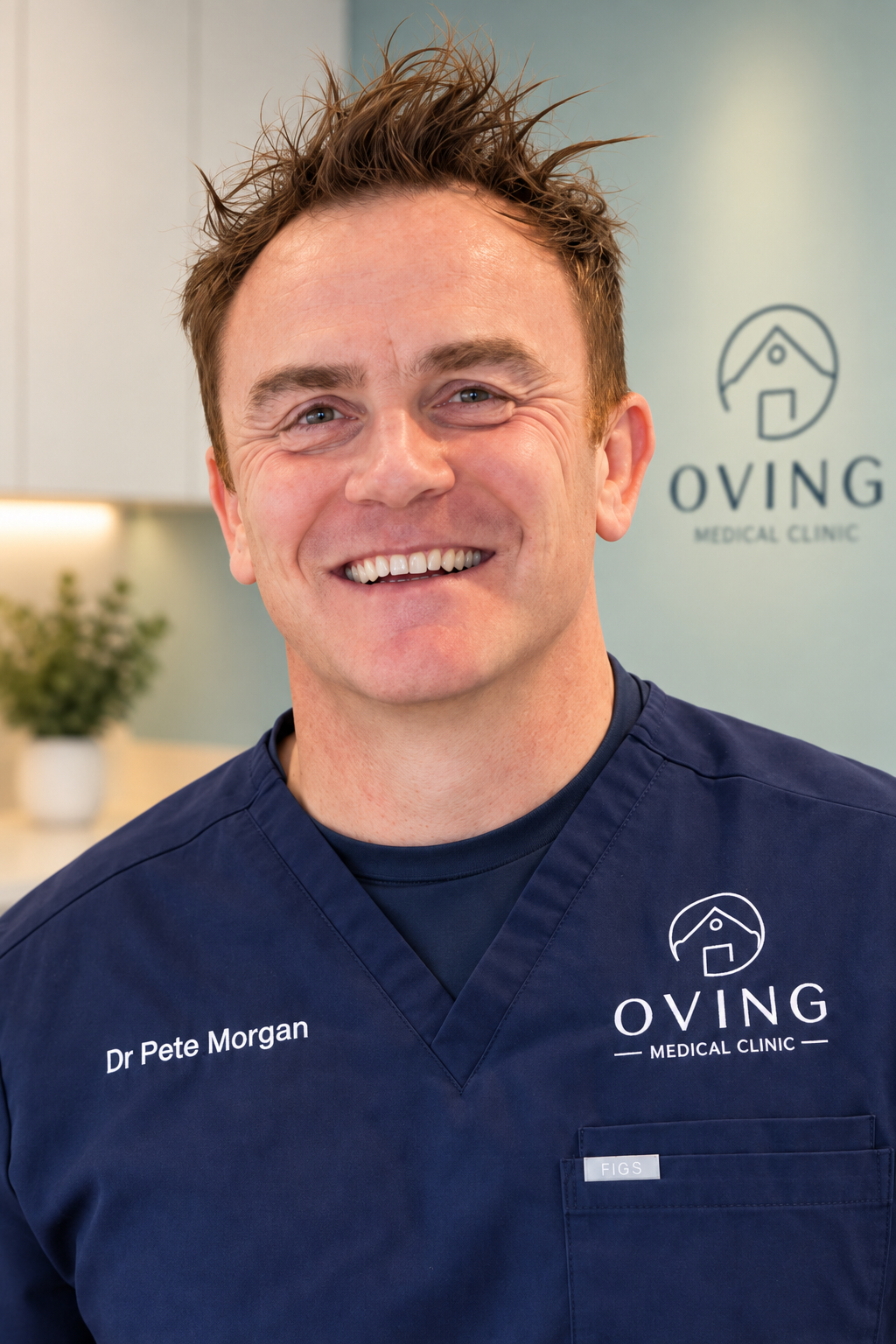
Dr Pete Morgan
Clinic Director | Musculoskeletal and Sports Physician | GP Consultant
MBBS, BSc (Hons), MRCS, DCH, MRCGP, MFSEM

Dr Greg Wang
Clinic Director | GP with ENT Special Interest
BMBS, BMedSci, DOHNS, MRCGP, GDL

Dr Georgina Hughes
GP with Women's Health Special Interest
Ready to Take the First Step?
Whether you're seeking routine care or specialised medical attention, we're here to help. Book your appointment today.