
Gut Health and Blood Sugar: Nutrition Support in Chichester

Bloating, afternoon energy slumps and sugar cravings can be confusing to untangle. Nutritional Therapist Claire Bailey explains how digestive health and blood sugar are connected, and how personalised nutrition support at The Oving Medical Clinic can help.
Personalised nutritional therapy with Claire Bailey at The Oving Medical Clinic. Bloating after meals, afternoon energy slumps and persistent sugar cravings can make it difficult to know where to start with your diet. These symptoms can have different causes, but the way you eat can influence both digestive health and blood glucose regulation. Claire Bailey of CB Nutrition offers one-to-one nutritional therapy at The Oving Medical Clinic in Oving, near Chichester, West Sussex. Her practical approach helps you make sense of your eating habits and build a personalised plan around your symptoms, medical history and everyday life. Why gut health and blood sugar belong together Your digestive system breaks down food and absorbs nutrients, including the glucose released from carbohydrate-containing foods. Your gut microbiome is the community of microorganisms living in your digestive tract. Some gut bacteria use dietary fibre to produce compounds that help nourish the cells lining the bowel. Researchers are studying how these microorganisms influence metabolism and glucose regulation. The relationship is complex: bloating does not automatically mean you have a blood sugar problem, and tiredness or cravings alone cannot diagnose diabetes. Food choices can nevertheless support both areas of health. The type and amount of carbohydrate you eat, the balance of a meal, activity, sleep and medication can all influence your blood glucose response. Fibre-rich foods can support bowel function and form part of a balanced diet for people managing their diabetes. Practical ways to support digestion and balanced meals - Build a satisfying meal. Include a protein source such as eggs, fish, yoghurt, tofu or beans, alongside vegetables and an appropriate portion of carbohydrate. - Introduce fibre gradually. Oats, fruit, vegetables and pulses can be useful sources. Sudden large increases may worsen bloating, so adapt portions and choices to your tolerance. - Look at your whole routine. Regular meals, enough fluid and attention to sleep and movement can be more useful than focusing on one supplement or cutting out whole food groups. For someone with IBS, the type of fibre matters as well as the amount. A food that suits one person may aggravate another. Personalised advice can help you avoid unnecessarily restrictive diets. Meet Claire Bailey of CB Nutrition Claire Bailey BSc Hons is a BANT and CNHC registered Nutritional Therapist and the founder of CB Nutrition, a women's health nutrition clinic in Chichester. For over six years, she has helped women improve their eating habits through personalised, evidence-based nutrition that fits around real life. Alongside her private practice, Claire works through Xyla Health delivering an NHS-commissioned prevention and remission programme for people with type 2 diabetes. She also has a growing specialism in nutrition support for people using GLP-1 weight-loss medication. Her consultations at Oving offer a place to discuss your concerns, understand your options and turn general nutrition advice into manageable changes. How nutritional therapy at Oving can help Digestive health and bloating Claire supports people experiencing bloating, constipation, reflux, irregular bowel habits and suspected food sensitivities. Following appropriate medical assessment, she can help you explore eating patterns and possible dietary triggers without automatically removing multiple foods from your diet. Type 2 diabetes and prevention Nutrition support can help people with type 2 diabetes make sustainable changes to eating and weight management alongside their usual medical care. Claire also supports those at increased risk of developing the condition. Some people with type 2 diabetes can achieve remission, often following substantial sustained weight loss. Remission is not a cure or a guaranteed outcome, and ongoing monitoring remains important. Any changes to diabetes medication must be agreed with the prescribing clinician. Claire's private service at Oving is separate from her NHS-commissioned work. Nutrition during and after GLP-1 weight loss treatment A reduced appetite can make it harder to eat enough protein, fibre and other essential nutrients. Claire can help you plan manageable meals, maintain hydration and support adequate nutrition during weight loss. Appropriate protein intake and resistance exercise can help support muscle maintenance. Support can begin when you start medication and continue through longer-term weight management or a prescriber-led decision to stop. The aim is to establish sustainable habits; maintaining weight loss after stopping medication can be challenging and results vary. Claire's role is nutritional support, while prescribing and dose decisions remain with your medical clinician. Energy, cravings and everyday wellbeing Claire also offers nutrition and lifestyle support for low energy, sugar cravings, stress, poor sleep and migraines. This may include reviewing meal timing, food intake and possible triggers. These concerns can have causes beyond diet, so nutritional therapy complements medical assessment rather than replacing it. Why one-to-one nutrition support matters Online advice cannot take account of everything that affects how you eat: your symptoms, medication, work pattern, family commitments, preferences and previous experiences. A plan that looks ideal on paper is only useful if it works in your daily life. Claire's approach is to tailor simple guidance to the individual. Rather than trying to change everything at once, support can focus on achievable priorities, whether that means more comfortable digestion, nourishing meals with a smaller appetite or a sustainable approach to blood sugar management. Persistent digestive symptoms, unexplained tiredness or new symptoms should be discussed with your GP first. Blood in your stool, unexplained weight loss or a persistent change in bowel habits need medical assessment. Nutritional therapy can then sit alongside any investigations or treatment you need. Frequently asked questions about nutritional therapy Can nutrition support help with bloating and IBS? It may help you identify eating patterns or foods that affect your symptoms and develop a more comfortable, balanced diet. IBS needs appropriate diagnosis, and there is no single diet that works for everyone. More restrictive approaches should be guided by a suitably qualified professional. Do sugar cravings mean I have diabetes? No. Cravings and afternoon slumps are not diagnostic of diabetes. Your GP can assess symptoms and arrange blood tests where appropriate. Claire can help you review meal balance and eating habits alongside that assessment. Can I see Claire while taking weight loss medication? Yes. Claire provides nutrition support for people using GLP-1 weight-loss medication, including practical help with eating well when appetite is reduced. Medication side effects or concerns about your dose should also be discussed with your prescriber. Where can I book nutritional therapy near Chichester? Claire offers consultations at The Oving Medical Clinic in Oving, near Chichester. Contact her directly to discuss your concerns, appointment availability and fees. Book a nutrition consultation with Claire Bailey If you would like personalised support with digestive health, type 2 diabetes, nutrition during GLP-1 treatment or everyday eating habits, contact Claire and ask about a consultation at The Oving Medical Clinic. Email: info@ovingclinic.co.uk Telephone: 01243 773167 Find out more at www.ovingclinic.co.uk Eat Well • Feel Well • Be Well
Related Services
Book an Appointment
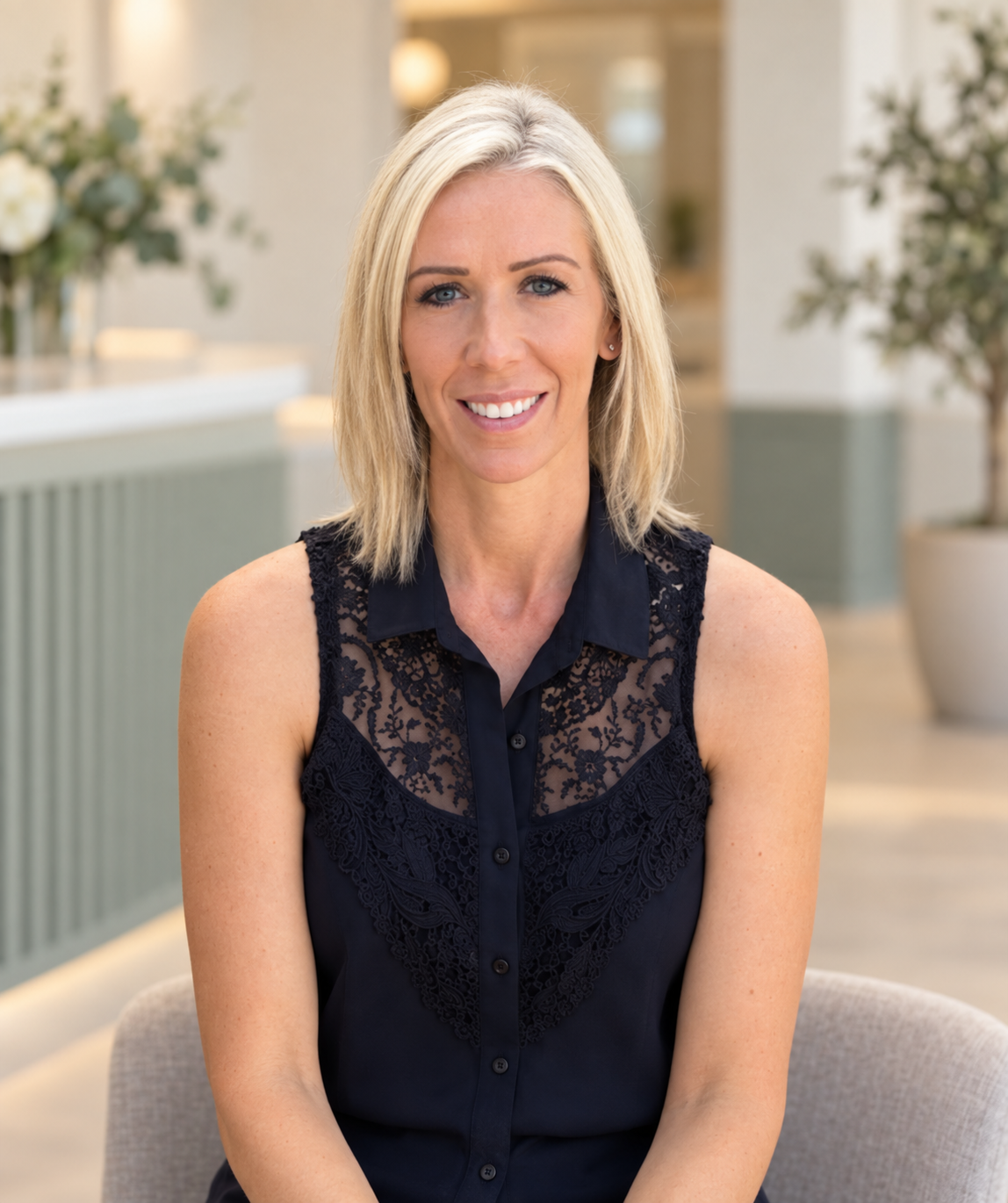
Claire Bailey
BANT & CNHC Registered Nutritional Therapist
BSc (Hons), BANT & CNHC Registered Nutritional Therapist
Sources and further reading
Ready to Take the First Step?
Whether you're seeking routine care or specialised medical attention, we're here to help. Book your appointment today.